


- MyShisha is a Muassal Shop (Tobacco) Shisha Equipment Accessories
- Special Price for Distributor Contact at Whatsapp number +62821 4540 8392
Hookah Bowl Types: Guide to Shapes, Materials & Pairings
Hookah Bowl Types Explained: Shapes, Materials, and What a Hookah Master Actually Recommends
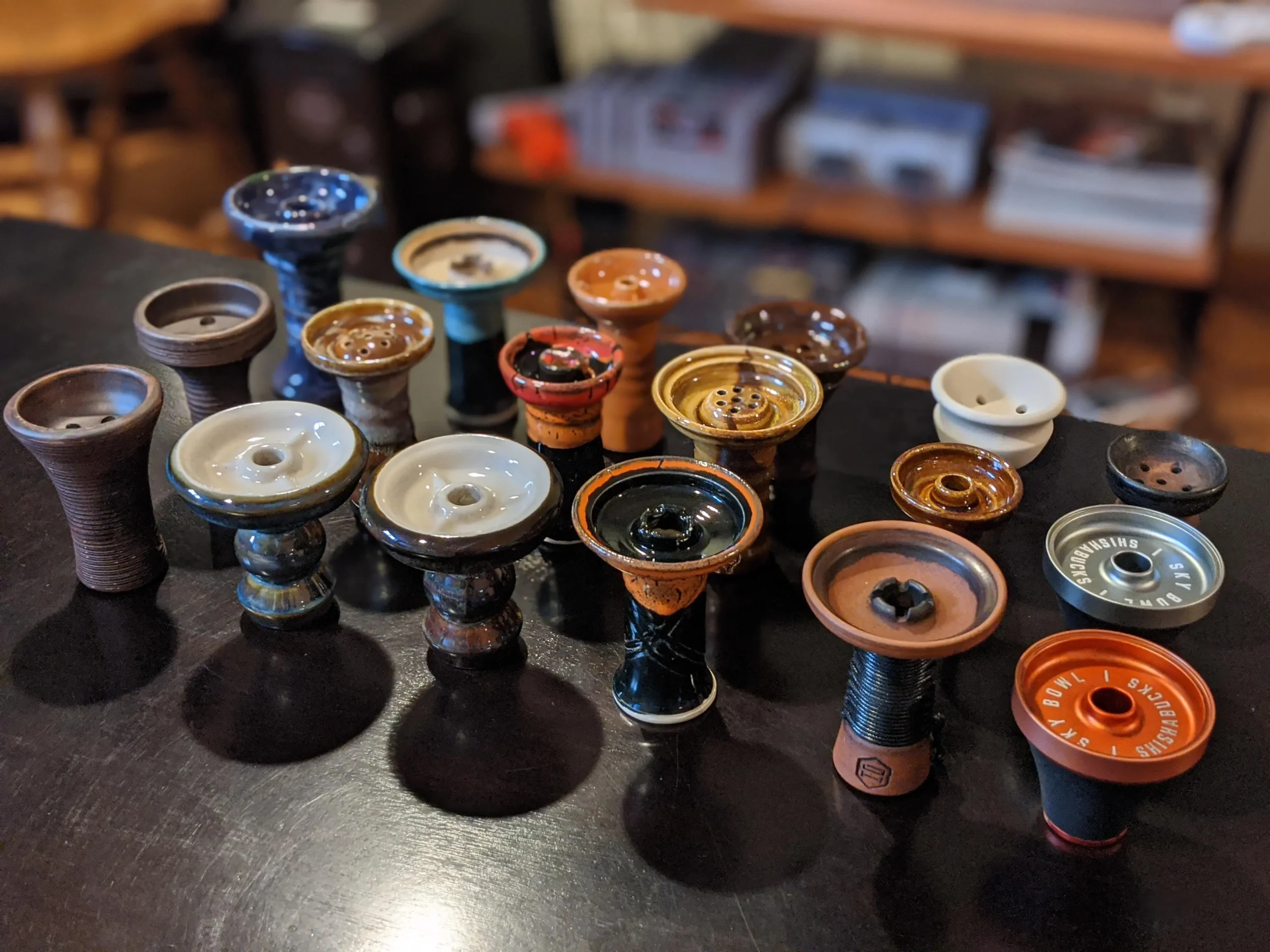
Choose the wrong hookah bowl types and it doesn’t matter how premium your tobacco is or how well you manage your coals — the session is already compromised. The bowl is where heat, moisture, and flavour intersect, and every variable downstream depends on getting this decision right.
This guide covers every major bowl type in real-world use: what each one is designed for, which tobaccos it suits, how it pairs with heat management devices, and what a hookah master actually recommends at each level of experience.
Table of Content
Hookah Bowl Types Explained: Shapes, Materials, and What a Hookah Master Actually Recommends
- Why the hookah bowl makes or breaks your session
- The 7 main hookah bowl types (and when each one works best)
- Hookah bowl materials compared: clay, ceramic, glass, silicone, and metal
- Choosing the right bowl for your tobacco: a hookah master’s pairing guide
- Bowl and heat management device (HMD) pairings: what works with what
- How to pack each bowl type: quick reference guide
- Building your setup like a hookah master: what to buy first
- Frequently asked questions about hookah bowl types
- What is the best hookah bowl for beginners?
- What is the difference between a phunnel bowl and a vortex bowl?
- Which hookah bowl is best for dark leaf tobacco?
- Does bowl material affect the taste of shisha?
- How long does a hookah bowl last before needing replacement?
- Can you use any hookah bowl with an HMD?
Why the hookah bowl makes or breaks your session
The bowl controls four critical variables simultaneously: heat retention, juice containment, burn rate, and total session length. Adjust any one incorrectly and the cascade is immediate — flavour burns out, smoke goes harsh, or the session dies within twenty minutes.
An unglazed clay bowl retains and radiates heat differently to a glazed ceramic one. A bowl with the wrong hole placement drains wet tobacco dry before you hit your second coal rotation. A bowl that’s too shallow runs hot and burns blonde leaf before it ever reaches peak flavour.
The wrong bowl for your tobacco means harsh smoke, burnt aftertaste, or a dead session before you’re ready to call it. Understanding what’s available — and why each design exists — is the first real skill in the hookah master toolkit.
The 7 main hookah bowl types (and when each one works best)
Every bowl in common use today was designed to solve a specific problem: airflow, juice drainage, heat distribution, or session duration. Here are the seven types you need to understand, and the honest verdict on each one.
Turkish bowl
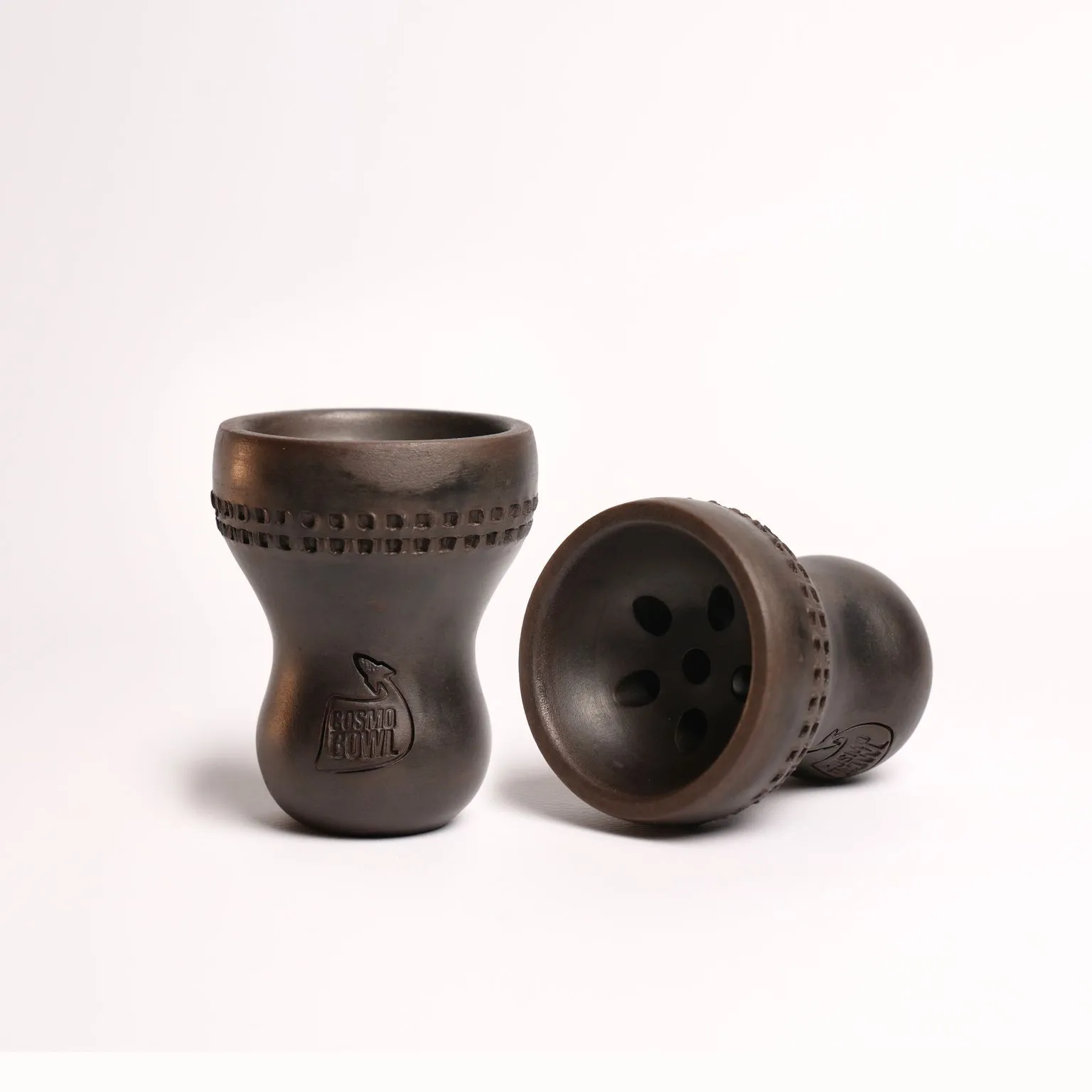
- Shape/Design: A wide bowl with a rounded, dome-like interior base and 4–5 large holes at the bottom. Made from unglazed clay, the thick walls retain and distribute heat evenly across the pack throughout the session.
- Best for: All tobacco types — blonde leaf, dark leaf, burley, Virginia, and oriental blends all perform well in a Turkish bowl. Its versatility makes it one of the most universally capable designs available.
- Weakness: The large bottom holes mean juice drainage is more pronounced with very wet tobaccos. Less suited to high-moisture dark leaf blends where full juice containment is a priority.
- Hookah master’s verdict: A genuinely versatile bowl that earns its place in any collection. If you want one bowl that handles every tobacco type without compromise, the Turkish bowl is a serious candidate.
Syrian bowl
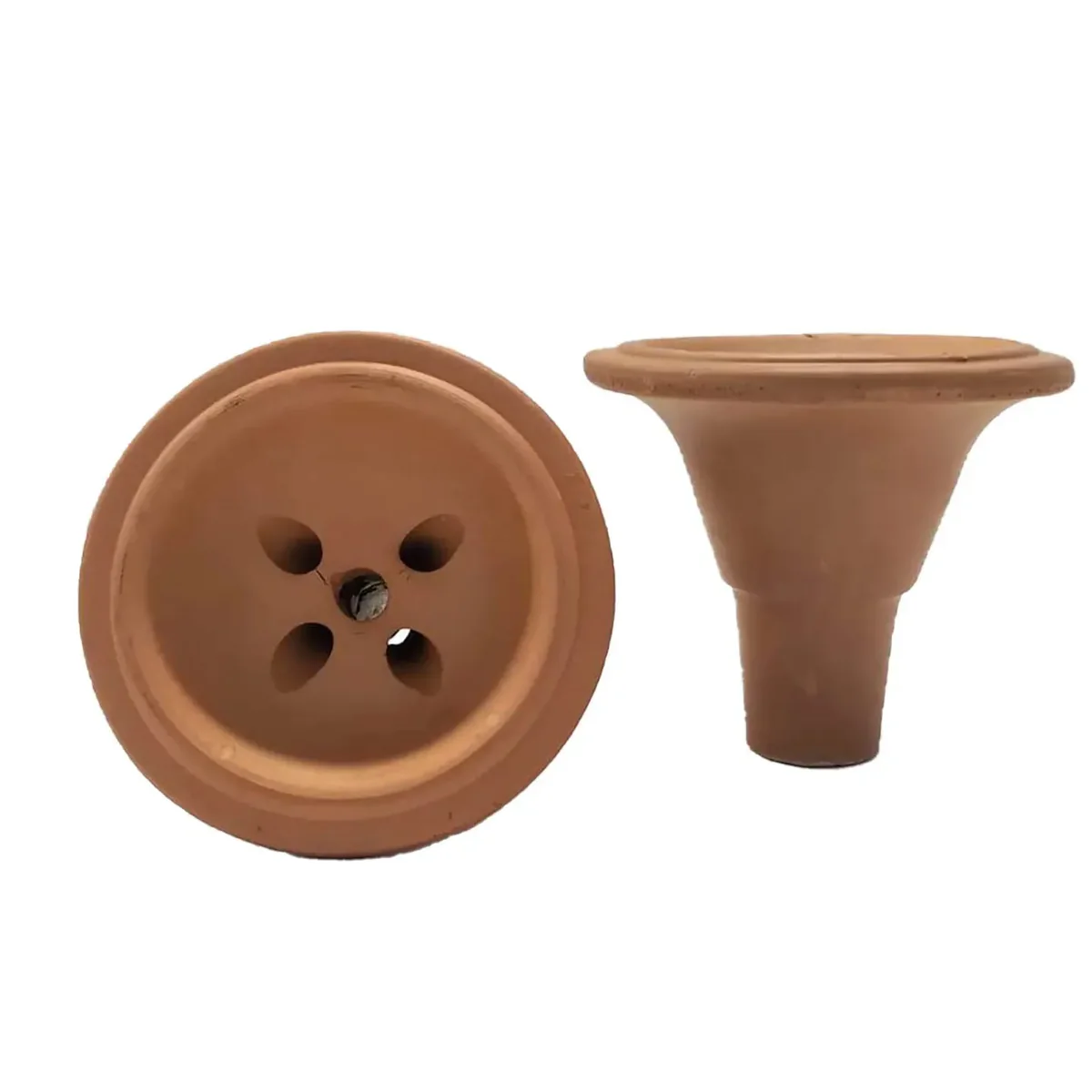
- Shape/Design: A narrower base than an Egyptian bowl, designed to sit inside the hookah stem rather than on top of it. A traditional Middle Eastern form factor that integrates directly with the pipe structure.
- Best for: All tobacco types — the Syrian bowl’s versatility mirrors that of the Turkish bowl. Traditional setups benefit most from it, but the design is not restricted by tobacco category.
- Weakness: The inside-stem fit limits compatibility with modern hookah models. Not all hookahs accept a Syrian bowl without an adapter.
- Hookah master’s verdict: Purpose-built for traditional configurations and fully tobacco-versatile within them. If your hookah is compatible, the Syrian bowl is a reliable and elegant choice across any blend.
Egyptian bowl
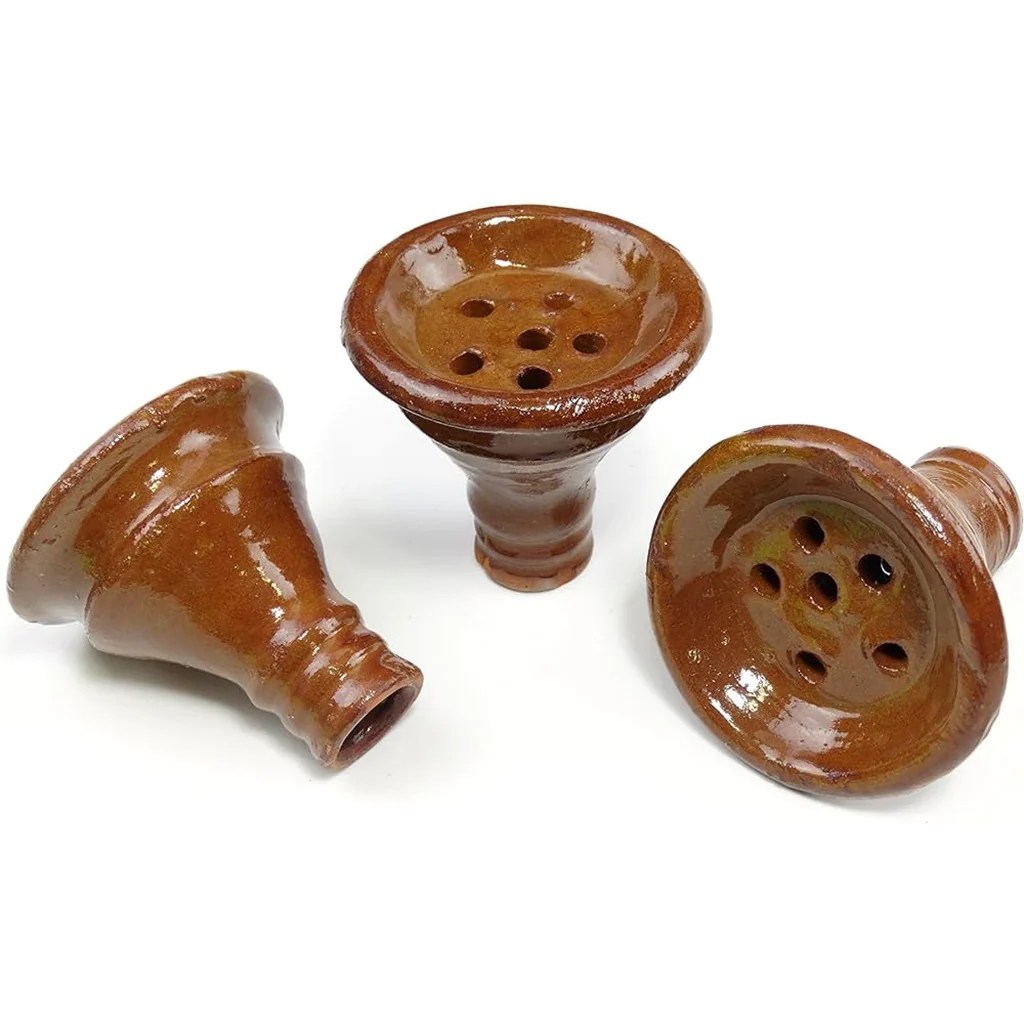
- Shape/Design: Wide, shallow profile with 4–6 holes at the base. Traditionally made from unglazed clay or basic ceramic. The oldest and most widely available bowl design in the market.
- Best for: All tobacco types — the Egyptian bowl’s simplicity and even heat distribution make it compatible with oriental, Virginia, burley, and herbal blends alike.
- Weakness: Juice drips freely through the bottom holes, which causes flavour loss on wet tobaccos and can clog the stem over time. Limited capacity for very long sessions with high-moisture blends.
- Hookah master’s verdict: The classic starting point and genuinely capable across all tobacco categories. Its wide availability and forgiving nature make it the default recommendation for anyone building from scratch.
Phunnel bowl
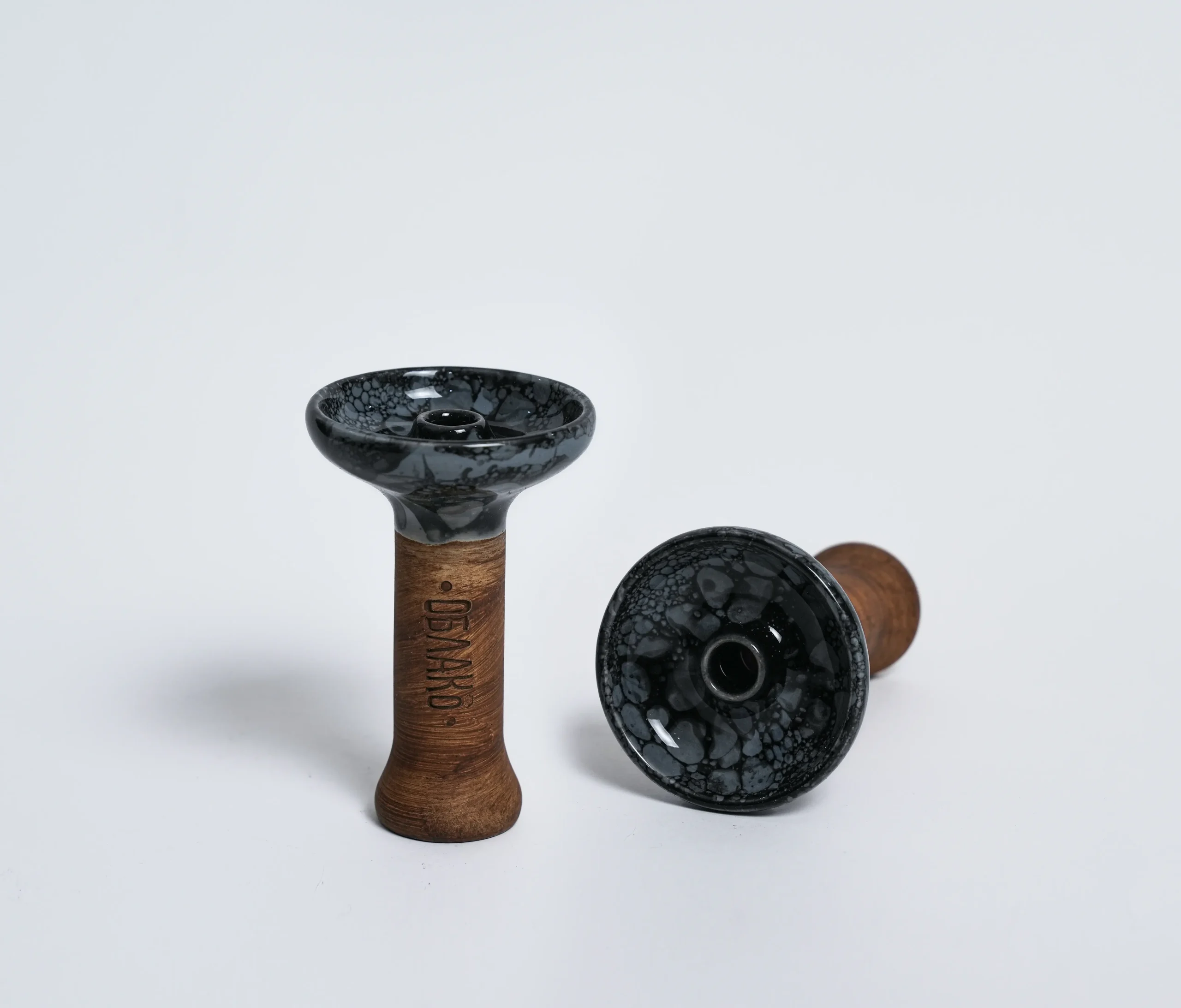
- Shape/Design: A single central open spire with no bottom holes. Tobacco juice pools at the base of the bowl rather than draining through, preserving moisture across the full session. Available in standard, wide-spire, and high-spire variants.
- Best for: Blonde leaf, red leaf, and oriental tobaccos — making it an excellent choice for beginners who want clean, forgiving sessions without chasing complex heat management from day one.
- Weakness: Requires attention to pack level relative to the spire tip. Over-packing above the spire reduces airflow; under-packing wastes tobacco and flattens flavour.
- Hookah master’s verdict: The professional standard for juice retention and HMD compatibility. The wide-spire variant makes a smooth and enjoyable session. MyShisha stocks a range of phunnel bowls — including wide-spire and high-spire options — suited to different session lengths and tobacco styles. Browse phunnel bowls here.
Killer bowl
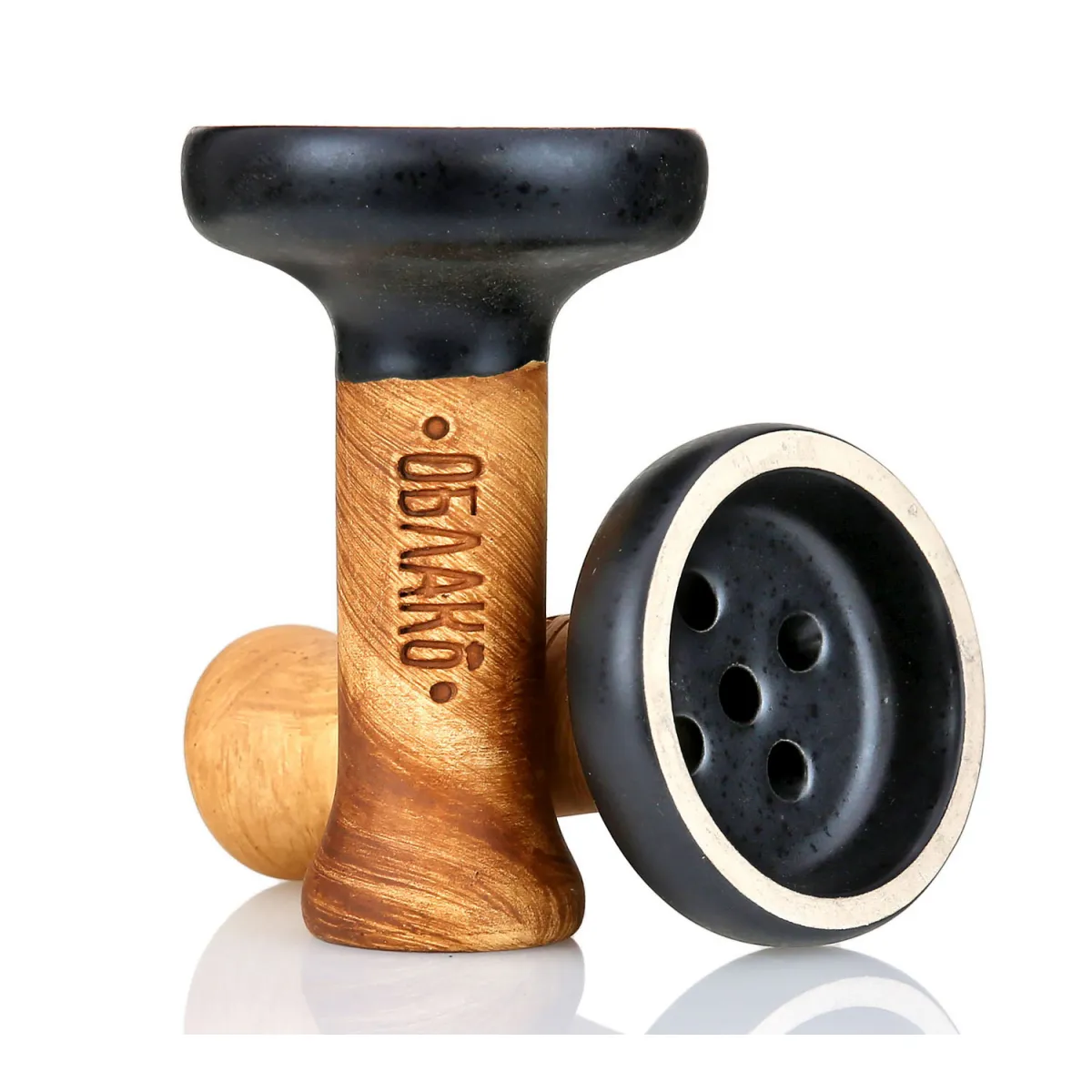
- Shape/Design: A deep, compact bowl designed for high-density packing. Built to sustain intense heat across a shorter session window, with geometry that pushes heat directly into denser, drier tobacco.
- Best for: Burley and cigar leaf tobaccos — blends that are denser, drier, and demand sustained high heat to reach full flavour expression.
- Weakness: Not a beginner-friendly bowl. The heat requirements for burley and cigar leaf are narrow — too little heat produces flat, thin smoke; too much burns the session in minutes.
- Hookah master’s verdict: Purpose-built for a specific tobacco category and it excels there. If you’re running burley or cigar leaf regularly, the killer bowl is the correct tool. Outside that category, reach for something else.
Alien bowl
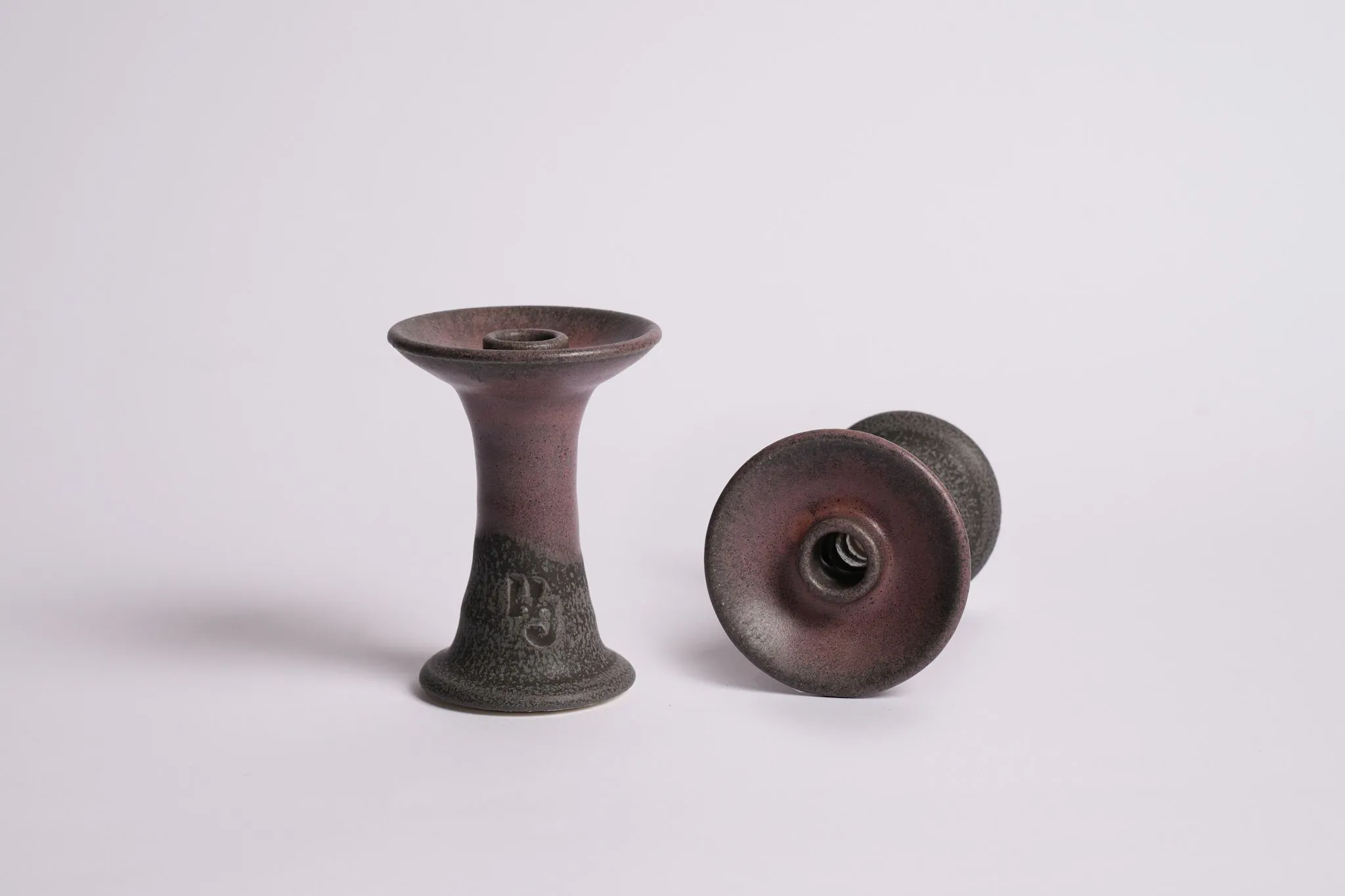
- Shape/Design: A phunnel-derived design — it has a single central spire like a standard phunnel — but engineered with an extremely shallow, low-capacity bowl body. That shallow depth is what concentrates heat rapidly and limits session duration by design, not by accident.
- Best for: Burley and cigar leaf tobaccos, specifically for intense sessions over a short smoking window. When maximum flavour impact in minimum time is the goal, the alien bowl is the specialist choice.
- Weakness: Short session length is structural — the shallow capacity means you’re not extending this with extra coals. Heat management margins are tight and unforgiving.
- Hookah master’s verdict: A specialist tool for experienced users chasing intensity over duration. Understanding that it’s a shallow phunnel variant helps explain why it behaves the way it does — heat concentrates fast, the pack is small, and the output is dense. If your session goal is a compressed, high-intensity hit of burley or cigar leaf, the alien bowl delivers it better than any other design.
Vortex bowl
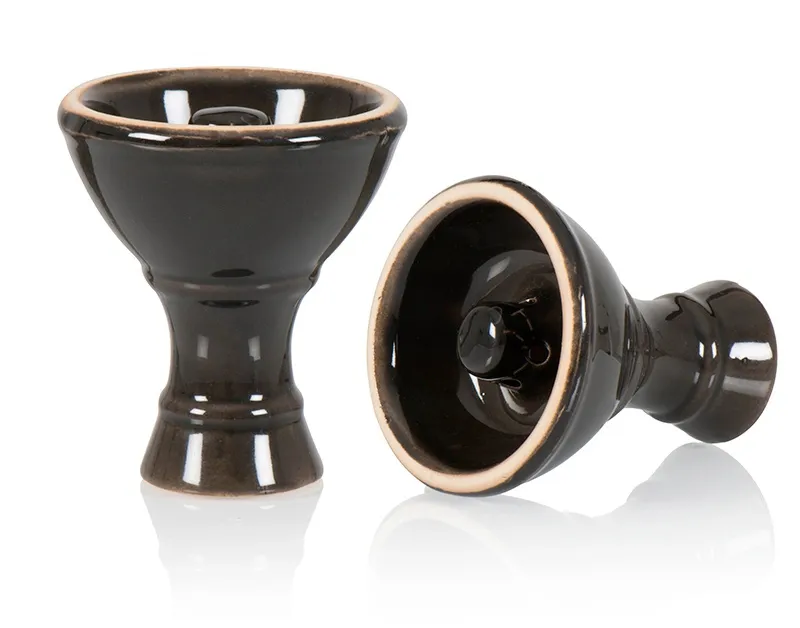
- Shape/Design: Features a raised central spike with side holes rather than bottom holes. The design redirects juice inward and upward, reducing drainage compared to an Egyptian bowl while maintaining good airflow through the side hole placement.
- Best for: Blonde leaf and oriental tobaccos, particularly in setups where heavier airflow is preferred. The vortex’s side holes create a different draw resistance to a phunnel, which suits blends that benefit from more active airflow through the pack.
- Weakness: Still allows some juice loss. Heat distribution is less consistent than a phunnel for very wet blends. Not the optimal choice for dark leaf or high-moisture tobaccos.
- Hookah master’s verdict: A capable bowl for blonde leaf and oriental tobaccos, particularly when heavier airflow is the goal. It’s not a stepping stone — it’s a genuinely suitable tool for its category, used correctly.
Hookah bowl materials compared: clay, ceramic, glass, silicone, and metal
Material choice directly affects how heat moves through the bowl, how much flavour carries over between sessions, and how long the bowl lasts under regular use. The table below gives you the direct comparison across the five materials in common use.
| Material | Heat Retention | Flavour Absorption | Durability | Ease of Cleaning | Best Use Case |
|---|---|---|---|---|---|
| Unglazed Clay | Medium | High | Medium | Medium | All-purpose (all tobacco) |
| Ceramic (glazed) | Medium-High | Low | High | Easy | All-purpose (all tobacco) |
| Glass | Low | None | Low (fragile) | Very easy | Flavour-pure experiments |
| Silicone | Poor | None | Medium | Easy | Alternative, soft smoking feel |
| Metal | Variable | None | High | Easy | Rarely recommended |
Unglazed clay and quality ceramic remain the most consistent performers across all session types. Clay seasons with use, building a residual heat profile that benefits dark leaf and wet blends over time. Ceramic gives you a clean slate every session without sacrificing meaningful heat performance. Browse MyShisha’s full bowl range — clay, ceramic, and everything in between.
Choosing the right bowl for your tobacco: a hookah master’s pairing guide
Dark leaf tobacco (Burley Leaf)
Dark leaf demands strong heat retention and complete juice containment. The wide-spire phunnel is the standard choice for dark leaf, packed dense or semi-dense around — never over — the spire.
For burley and cigar leaf, the killer bowl or alien bowl are the correct tools. Burley and cigar leaf are denser and drier than dark leaf — they need sustained, concentrated heat rather than moisture retention. The alien bowl suits shorter, more intense sessions; the killer bowl for standard session lengths.
Blonde leaf/Red Leaf tobacco (Virginia Leaf)
Virginia leaf has a significantly lower heat requirement than dark leaf. The phunnel bowl is the preferred choice for beginners — juice containment, clean heat management, and forgiving pack requirements make it the most accessible path into consistent sessions.
For Virginia leaf setups where heavier airflow is the priority, the vortex bowl is the better call. The side-hole design creates the draw resistance and airflow profile that blonde leaf responds to best in those conditions. The Turkish or Egyptian bowl are equally capable here for experienced users who want full tobacco versatility in a single piece.
Herbal and nicotine-free shisha
Herbal shisha dries out faster than tobacco-based blends. A phunnel bowl with a moderate pack — not too dense — preserves moisture while allowing adequate airflow. Avoid overheating; herbal blends are unforgiving when heat runs high and a burnt session cannot be recovered.
Bowl and heat management device (HMD) pairings: what works with what
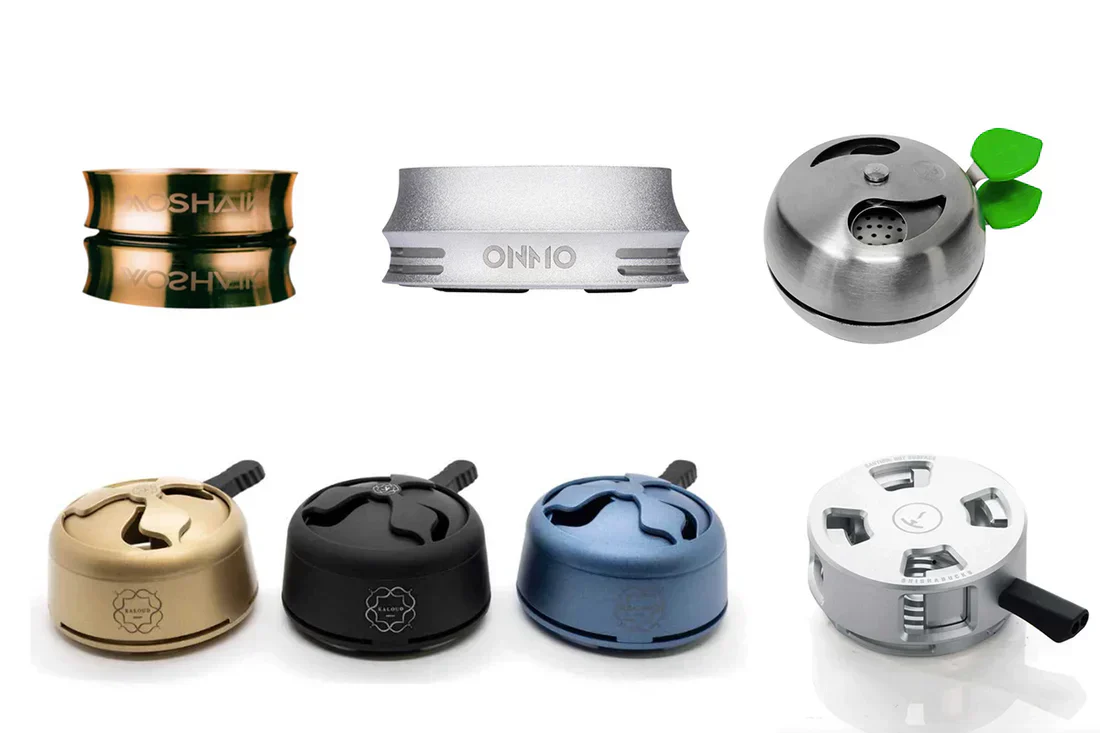
Traditional foil distributes heat across the entire tobacco surface and requires manual hole-punching for airflow control. An HMD — a perforated or solid device that sits between coals and tobacco — creates a more controlled heat environment, slows heat transfer, and significantly reduces the risk of burning the top layer of tobacco.
All seven bowl types are compatible with all HMD devices. The pairing choice comes down to session goal and tobacco type rather than physical compatibility. What matters most is understanding which HMD material suits your heat management style.
HMD materials: aluminium vs stainless steel
Aluminium HMDs are lightweight and respond quickly to temperature adjustments, making them easier to control throughout the session. If you need to add or remove heat, an aluminium HMD reacts faster — which is why it’s the preferred choice for beginners and for sessions where precision matters over peak output.
Stainless steel HMDs are heavier and take longer to reach and stabilise at temperature. The tradeoff is that stainless steel can reach higher peak temperatures than aluminium — which is why experienced users running burley, cigar leaf, or dense dark leaf blends favour it. The key discipline with stainless steel is patience: don’t rush the heat-up phase, and don’t run long sessions at full temperature without monitoring the pack condition.
MyShisha carries aluminium and stainless steel HMDs alongside bowls — pair them correctly from the start. Browse HMDs or shop all bowls.
How to pack each bowl type: quick reference guide
Egyptian bowl
- Fluff the tobacco lightly — break up any clumps without compressing.
- Sprinkle tobacco into the bowl, keeping it 2–3mm below the rim.
- Use a poker or toothpick to clear each bottom hole from above — press straight through until the hole is fully open all the way down. This ensures a light, clean draw.
- Leave a 2mm air gap between tobacco and foil or an HMD. Punch holes evenly across the surface.
Turkish bowl
- Fluff the tobacco and sprinkle it loosely into the bowl — do not press or compress.
- Keep the pack light enough that heat moves freely through the gaps between the leaves.
- Fill to 2–3mm below the rim. The rounded base and large holes are designed for airflow, not resistance — a dense pack works against the bowl’s geometry.
- Foil or a HMD both work well given the bowl diameter.
Syrian bowl
- Pack according to your tobacco type — the Syrian bowl is fully versatile.
- Ensure the bowl base fits securely inside the stem before packing to avoid heat loss.
- Standard foil packing technique applies; use an HMD if the stem clearance allows.
Phunnel bowl
- Pack tobacco around the central spire — never over it. The spire must remain fully open.
- Moderate pack for blonde, red leaf, and oriental.
- Pack level should sit at or just below the spire tip.
- With an HMD, ensure the device sits flush on the bowl rim with no gaps at the edges.
Killer bowl
- Fluff pack (Russian-style): Sprinkle tobacco loosely, slightly mounding above the bowl rim, then let the HMD press it flat on contact. This is the technique for maximum nicotine extraction and the intense throat hit that defines the Killer Bowl’s reputation — used with tobaccos like Satyr or Trofimoff.
- Start with full coals either way; the Killer Bowl runs hot by design.
Alien bowl
- Pack tightly — the alien bowl rewards a dense pack for maximum intensity output.
- Session length is short by design; don’t add extra coals expecting to extend it significantly.
- Have your tobacco and coals fully prepared before you start — the window is narrow.
Vortex bowl
- Use a looser pack than you would for a phunnel — the side holes need airflow space.
- Avoid pressing tobacco directly against the side holes.
- Pack to just below the raised spike level, not higher.
- Works with foil or an HMD; avoid heavy stainless steel HMDs at full temperature for blonde leaf blends.
Building your setup like a hookah master: what to buy first
Beginner: Egyptian clay bowl or phunnel bowl + natural coconut coals + aluminium HMD. The aluminium HMD’s quick temperature response makes it forgiving for new users still developing heat instincts. Run blonde leaf or oriental tobacco at this tier.
Intermediate: Phunnel bowl + aluminium or stainless steel HMD + Virginia tobacco. At this level you have enough session experience to manage stainless steel heat-up time. The step-change in session quality from beginner to intermediate is significant.
Advanced: Killer bowl for specialist sessions + stainless steel HMD + burley(Mezza or Tangiers), cigar leaf. Every component is now optimised for each other. Heat management is precision work, not approximation.
MyShisha stocks every component across all three tiers — browse bowls, HMDs, and tobaccos to complete your setup at whichever level you’re building from.
| Detail | Info |
| Physical locations | Kerobokan, Bali / at Eden Hookah Club Ubud |
| Online store | |
| Hours (Kerobokan) | Daily, 10:00 AM – 10:00 PM |
| Hours (Ubud) | Daily, 11:00 AM – 12:00 AM |
| @myshisha.bali | |
| Chat via WhatsApp |
Frequently asked questions about hookah bowl types
What is the best hookah bowl for beginners?
The phunnel bowl is the recommended starting point. Its juice containment design is forgiving — a slightly imprecise pack won’t immediately ruin the session — and it pairs cleanly with blonde leaf, red leaf, and oriental tobaccos. Pair it with an aluminium HMD for easy temperature control. The Egyptian bowl is equally solid if you want a single bowl that works across every tobacco type from day one.
What is the difference between a phunnel bowl and a vortex bowl?
The wide-spire phunnel bowl is the standard. Dark leaf tobaccos — Mezza, Darkside, Tangiers, Nash, Blackburn — are high-moisture blends that need full juice containment and sustained heat. The phunnel’s no-drain design handles both. Pair with an aluminium HMD for easier control, or stainless steel if you want higher peak heat output and have the experience to manage the heat-up time.
Which hookah bowl is best for dark leaf tobacco?
The wide-spire phunnel bowl is the standard choice for dark leaf. Dark leaf tobaccos including Mezza, Darkside, Tangiers, Nash, and Blackburn are high-moisture blends that require full juice containment and strong, sustained heat. The phunnel’s no-drain design and compatibility with premium HMDs — Kaloud Lotus, Oblako, Provost — make it the only bowl type that handles dark leaf consistently across a full session.
Does bowl material affect the taste of shisha?
Yes — significantly. Unglazed clay absorbs moisture and flavour compounds from each session, seasoning over time and occasionally carrying trace flavours between sessions. Glazed ceramic has minimal absorption and delivers a clean result every time. Glass has zero absorption but poor heat transfer. If you rotate multiple flavours through the same bowl, glazed ceramic is the cleaner choice. For dedicated dark leaf use, unglazed clay’s heat retention outweighs the flavour-carry concern.
How long does a hookah bowl last before needing replacement?
A quality unglazed clay or ceramic phunnel — Oblako, Japona — will last years under regular use if handled carefully. The main failure modes are thermal shock (cold water on a hot bowl), drops, and gradual spire edge erosion. Cheap clay bowls may crack within months. With normal care, a premium clay phunnel is effectively a one-time purchase.
Can you use any hookah bowl with an HMD?
Yes — all seven bowl types are compatible with HMD devices. What matters more is the HMD material. Use aluminium for easier temperature control, especially with lighter tobaccos and shorter sessions. Use stainless steel when running burley, cigar leaf, or dense dark leaf where higher peak temperatures are required — just factor in the longer heat stabilisation time before the session hits its stride.
Tags: Shisha Bowl, Turkish Bowl, Heat Management Device, Syrian Bowl, tombacco, HMD, Vortex Bowl, myshisha, Dark Leaf, Killer Bowl, shisha guide, Blonde Leaf, Alien Bowl, hookah guide, Burley, Hookah Master, hookah setup, Cigar Leaf, How to Pack a Hookah Bowl, hookah for beginners, Oriental Tobacco, Mezza, Phunnel bowl, Red Leaf, Tangiers, mezza dan tangiers6:04 PMClaude responded: Hookah Bowl, …Hookah Bowl, Hookah Bowl Types, Egyptian Bowl

Hookah Bowl Types: Guide to Shapes, Materials & Pairings
7 Unique Tombacco Shisha Flavors You Must Try — Available at myshisha.id If you’re a shisha lover seeking to explore Tombacco shisha flavors that are distinctive, bold, and unforgettable, then the Tombacco line is definitely for you. Known for its premium blends and creative flavor profiles, Tombacco combines cultural richness, dessert indulgence, and tropical freshness… selengkapnya

Introducing Tombacco’s latest lineup of premium shisha flavors, available at just Rp 33,000 for a generous 50-gram portion. Each flavor offers a distinct taste experience crafted from high-quality ingredients for the ultimate smoking session. Tombacco Passion Fruit (50g/Rp 33,000) This exotic flavor perfectly balances sweet and tart notes, delivering an authentic tropical experience. The initial… selengkapnya
5 Best Premium Hookah Indonesia Recommendations from MyShisha.id When choosing the best premium hookah Indonesia, quality is everything. Premium shisha guarantees durability, smooth smoke, and elegant design. At MyShisha.id, you’ll find a curated collection of premium hookah Indonesia products built for both performance and aesthetics. 1. Sleek Acryl with Strobilus – Premium Hookah Indonesia Choice… selengkapnya

Jakarta, Indonesia – Shisha enthusiasts looking for high-quality, long-lasting tobacco will be pleased to know that Tombacco 1KG is now in stock at MyShisha.id, Indonesia’s premier online destination for premium hookah products. Renowned for its rich flavors and smooth smoke, Tombacco has become a top choice among hookah connoisseurs. The 1KG bulk option offers excellent value, making it ideal… selengkapnya

What Is an Electric Hookah? Benefits and Why It’s the Future of Shisha If you’ve been in the shisha scene for a while, you’ve probably heard the buzz around electric hookah. No coals, no ash, no waiting — just clean, consistent flavor every single session. But what exactly is an electric hookah, and is it… selengkapnya

At MyShisha, we’re excited to introduce the new look of one of our best-selling brands: Tombacco. Known for its rich flavours, consistent quality, and loyal following, Tombacco has unveiled a fresh new packaging design—while keeping the same great tobacco you know and love inside. A New Look, A Trusted Product Tombacco’s updated packaging reflects the… selengkapnya
Exclusive hookah enthusiasts recognise Tangiers Tobacco as one of the world-class hookah product brands. Tangiers began its mission of producing handcrafted American-made hookah tobacco during 2000. Customers can find perfectly made hookah tobacco products at their Phoenix, Arizona, manufacturing site, which maintains product consistency while delivering exceptional flavour quality and luxurious smoking satisfaction. MyShisha.id operates… selengkapnya
Myshisha.id is aiming to be the leading destination for hookah enthusiasts in Indonesia, seeking top products and the best service. You know Myshisha.id is about high quality, a variety of offerings, and, most importantly, we cater to beginners as well as the seasoned hookah lovers. This store is conveniently located in Eden Ubud and Eden… selengkapnya

Looking for Love 66 Alternatives? Here’s What Smokers Are Choosing Love 66 has been a go-to shisha flavor for years. Its sweet, fruity taste with a light cooling finish makes it easy to enjoy, whether you smoke occasionally or on a regular basis. But when Love 66 becomes hard to find, many smokers naturally start… selengkapnya
Best Hookah Pipe in 2026 – Complete Buyer’s Guide So you’re looking for the best hookah pipe — welcome to the club. Whether you’re picking up your very first shisha pipe or you’re a seasoned smoker ready to level up, 2026 is honestly a great time to be in the market. The hookah industry has… selengkapnya



LEMON DROPS (Lemon Candy) Many lemon candies balance the sourness with sweetness, creating a pleasant and refreshing flavor.
Rp 362.500
With our Aladin Alux Admiral hookah you get a large hookah with aluminum smoke column. The shisha comes directly to you in a complete package with a lot of equipment at a fair price. In addition to its lightweight and interesting appearance, it offers you a reliable quick lock click closure, which makes the assembly… selengkapnya
Rp 847.000


The Steamulation Pro X Prime is the most successful Steamulation one-hose Hookah ever! Now comes the successor in the second generation with unique functions and new features. Description Steamulation Pro X Prime Steamulation premium class. Height: 47cm Weight: approx. 3.5kg Bowl Diameter: 20cm Material: V2A (1.4305) stainless steel Ready for the future 2022! The Steamulation… selengkapnya
Rp 5.060.000
Hookah Bowl Types: Guide to Shapes, Materials & Pairings
Hot Items!
 Sphinx – Yellow (with Black Vase)
 Darkside Lemonblast
 MEZZA Power Punch
 TANGIERS NOIR ERIC’S MANGO 100GR
 TANGIERS NOIR CREAM SODA 100GR
Brands











MyShisha Kerobokan
Store: JL.Raya Kerobokan No 66 Kerobokan Kelod, Kec. Kuta Utara, Kab. Badung Bali, 80361.

 081328309995
 View Location on Map
MyShisha Canggu
(EDEN HOOKAH CLUB CANGGU)
Taman Tomora, Jl. Raya Semat, Tibubeneng, Bali 80361
089519697650
MyShisha Seminyak
(EDEN HOOKAH CLUB SEMINYAK)
Jl. Petitenget No.78A, Kerobokan Kelod, Bali 80361.
+62 813-2830-9995
MyShisha Bogor
Store: Jl. Pakuan, RT 005 / RW 008, kel. Baranang Siang, kec. Bogor Timur, Kota Bogor. 16143
081288980610
MyShisha Ubud
(EDEN HOOKAH CLUB UBUD)
Jl. Cok Putra, Sudarsana, Kecamatan Ubud, Kabupaten Gianyar, Bali 80571.
087864957688
MyShisha Uluwatu
(EDEN HOOKAH CLUB uluwatu)
Jl. Raya Uluwatu No.11, Ungasan, Kec. Kuta Sel., Kabupaten Badung, Bali 80364.
082315846622


Saat ini belum tersedia komentar.